Engineering Programs

Bridging Engineering Education with Emerging Technologies
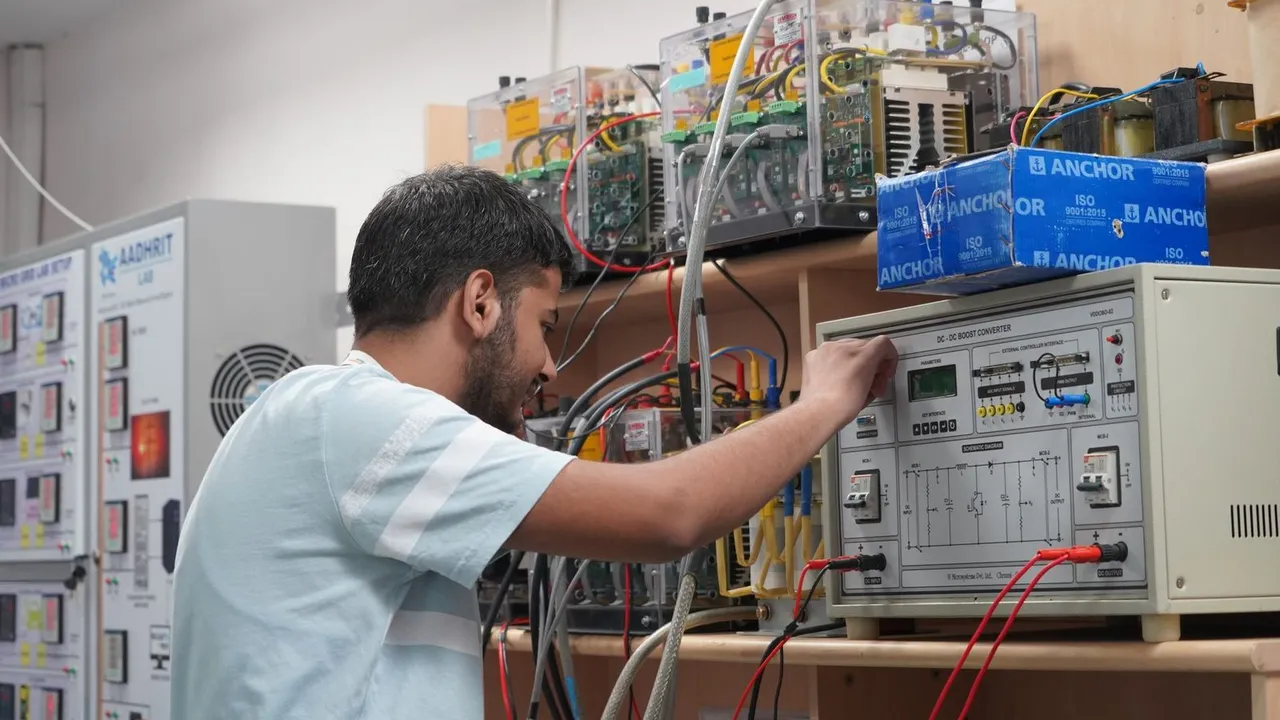
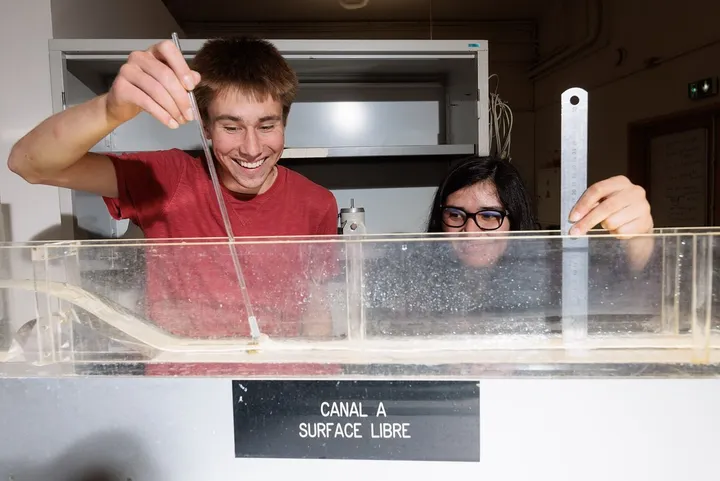
Engineering student operating a power electronics trainer in a college lab

Our Approach

Robomatiic's engineering programs are designed around four key elements: Engineering Knowledge, Technology Skills, Projects, and Industry Readiness.

  1. 01Engineering Knowledge
  2. 02Technology Skills
  3. 03Projects
  4. 04Industry Readiness

Engineering Technology Domains

Artificial Intelligence & Machine Learning

Develop practical expertise in intelligent systems and AI-based applications.
Key Areas:

Robotics & Automation

Develop engineering skills required to design, build and program robotic and automated systems.
Key Areas:

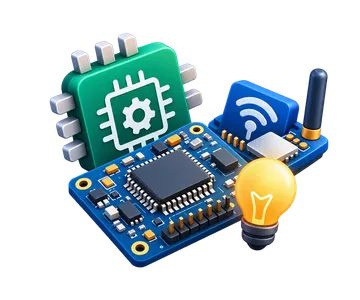
Embedded Systems

Build practical expertise in hardware-software integration and embedded product development.
Key Areas:

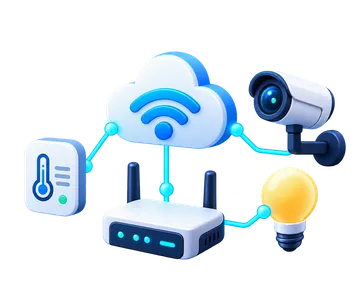
Internet of Things

Design connected systems that combine sensing, communication, computing and data.
Key Areas:

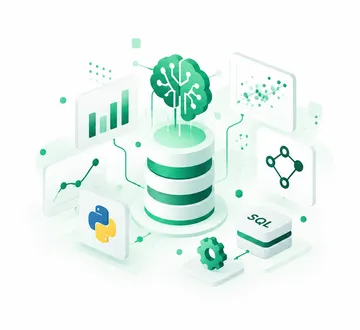
Data Science & Analytics

Develop data-driven problem-solving capabilities for engineering and business applications.
Key Areas:

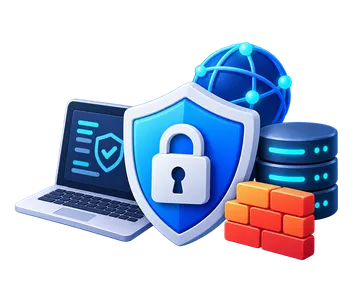
Cybersecurity

Develop practical knowledge of protecting applications, networks, systems and digital infrastructure.
Key Areas:

Industry 5.0

Prepare students for the next generation of human-centric and intelligent industrial systems.
Key Areas:

Engineering Add-On & Value-Added Programs

Robomatiic offers specialized programs that can be integrated alongside regular engineering curricula.

Certificate Programs
Value-Added Courses
Technical Bootcamps
Workshops
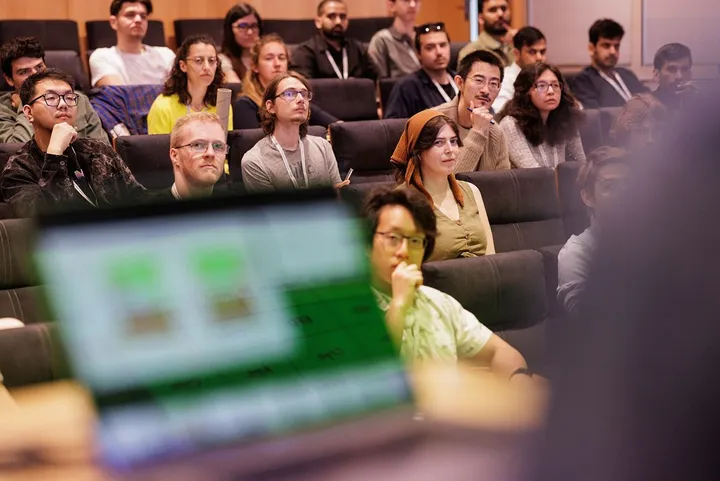
Faculty Development Programs
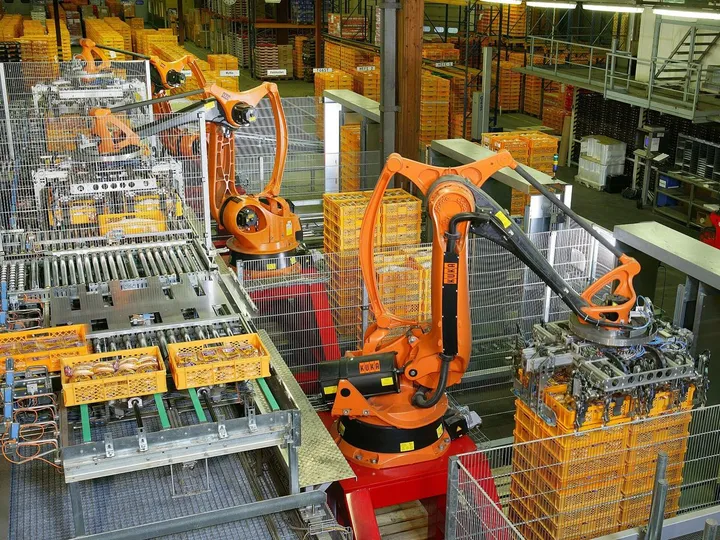
Industrial Training

Branch-Specific Programs

Robomatiic can customize programs according to the student's engineering discipline.

Computer Science & Engineering

Request Syllabus
01
AI/MLApply machine learning models to solve real-world engineering problems.
02
Data ScienceCollect, process and analyze data to support engineering decisions.
03
Full Stack DevelopmentBuild both the front-end and back-end of web applications.
04
Cloud ComputingDeploy and manage applications on cloud infrastructure.
05
CybersecurityProtect systems, networks and data from digital threats.
06
Generative AIUse AI tools to generate text, code, images and other content.
07
Software EngineeringDesign, build and maintain reliable, well-structured software systems.

Artificial Intelligence & Data Science

Request Syllabus
01
Machine LearningTrain models that learn patterns from data to make predictions.
02
Deep LearningBuild neural networks that learn from large volumes of data.
03
Data AnalyticsClean, analyze and visualize data to support decisions.
04
Computer VisionUse cameras and algorithms to help machines interpret and act on visual data.
05
NLPBuild systems that understand and generate human language.
06
Generative AIUse AI tools to generate text, code, images and other content.
07
AI ApplicationsApply AI techniques to build practical, working applications.

Electronics & Communication Engineering

Request Syllabus
01
Embedded SystemsProgram microcontrollers that power hardware devices and machines.
02
IoTConnect sensors and devices to collect and act on real-world data.
03
RoboticsBuild, program and control robotic systems and mechanisms.
04
PCB DesignDesign and lay out printed circuit boards for electronic products.
05
MicrocontrollersProgram the small computers that control sensors, motors and devices.
06
Communication SystemsUnderstand how devices exchange data over wired and wireless networks.
07
Edge ComputingProcess data closer to the device instead of a remote server.

Electrical & Electronics Engineering

Request Syllabus
01
Embedded SystemsProgram microcontrollers that power hardware devices and machines.
02
Industrial AutomationAutomate manufacturing processes using sensors, actuators and control systems.
03
IoTConnect sensors and devices to collect and act on real-world data.
04
Motor ControlDrive and regulate motors for precise mechanical movement.
05
RoboticsBuild, program and control robotic systems and mechanisms.
06
Smart Energy SystemsMonitor and manage power generation, storage and distribution intelligently.

Mechanical Engineering

Request Syllabus
01
RoboticsBuild, program and control robotic systems and mechanisms.
02
AutomationDesign systems that perform tasks with minimal manual intervention.
03
CAD/CAMDesign parts digitally and translate them into manufacturing instructions.
04
Computer VisionUse cameras and algorithms to help machines interpret and act on visual data.
05
Digital ManufacturingUse digital tools and connected machines across the manufacturing process.
06
Industry 5.0Combine human skill with intelligent machines for collaborative, sustainable production.
07
Smart ManufacturingConnect machines, data and automation to optimize the production floor.

Civil Engineering

Request Syllabus
01
BIMModel buildings digitally for design, planning and coordination.
02
GISMap and analyze geographic and spatial data.
03
Drone ApplicationsUse drones for site surveys, mapping and inspection.
04
AI for ConstructionApply AI to planning, monitoring and safety in construction projects.
05
Digital ConstructionApply digital tools and workflows across the construction process.
06
Smart InfrastructureDesign infrastructure systems embedded with sensors and connected technology.

Mechatronics & Automation

Request Syllabus
01
RoboticsBuild, program and control robotic systems and mechanisms.
02
PLCProgram industrial controllers used to automate machinery and processes.
03
Industrial AutomationAutomate manufacturing processes using sensors, actuators and control systems.
04
Embedded SystemsProgram microcontrollers that power hardware devices and machines.
05
SensorsMeasure physical quantities like light, motion, temperature and pressure.
06
ActuatorsConvert control signals into physical motion or action.
07
Machine VisionUse cameras and image processing to guide automated systems.
08
Industry 5.0Combine human skill with intelligent machines for collaborative, sustainable production.

Project-Based Engineering Learning

Engineering students learn best when they can apply concepts to actual problems.

Robomatiic supports students through:
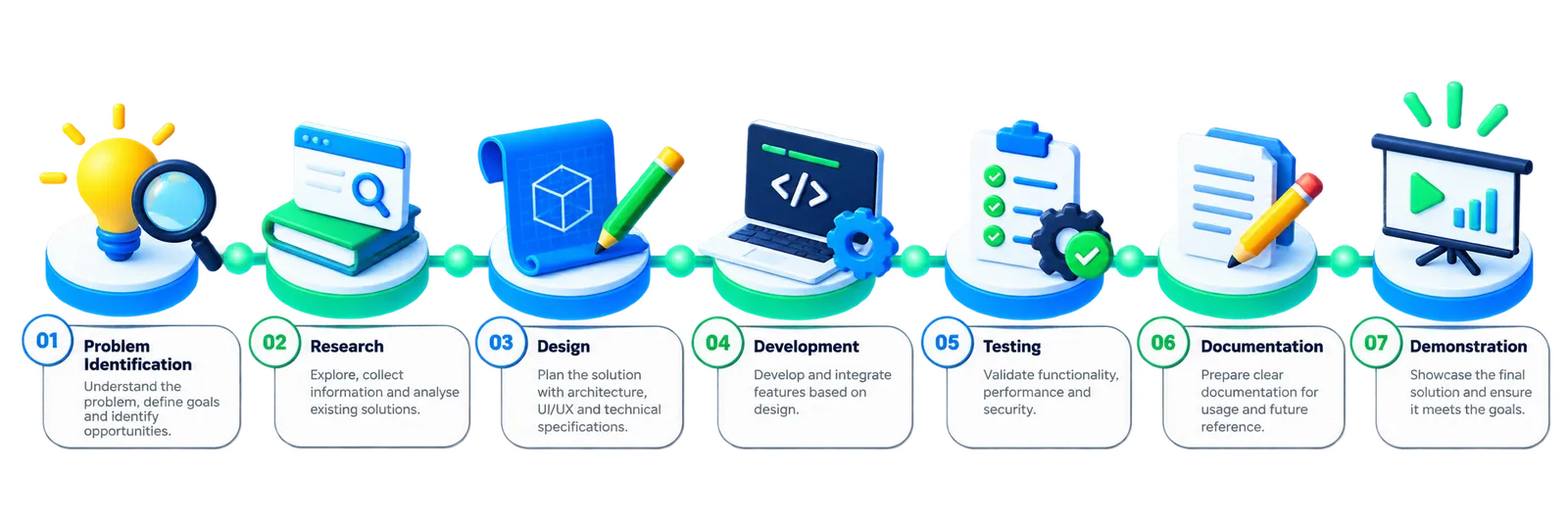
Students can progress through:Project development process: Problem Identification, Research, Design, Development, Testing, Documentation, Demonstration

Internship & Industry Exposure

The objective is to give students an opportunity to understand how engineering concepts and emerging technologies are applied in real-world environments.

Robomatiic programs can incorporate practical industry exposure through:

  • Technical internships
  • Project internships
  • Industrial training
  • Expert sessions
  • Technology workshops
  • Industry visits
  • Hackathons
  • Technical competitions
  • Project demonstrations
  • Innovation challenges

Engineering Labs & Centres of Excellence

Robomatiic supports institutions in developing specialized technology learning environments.

Possible areas include:
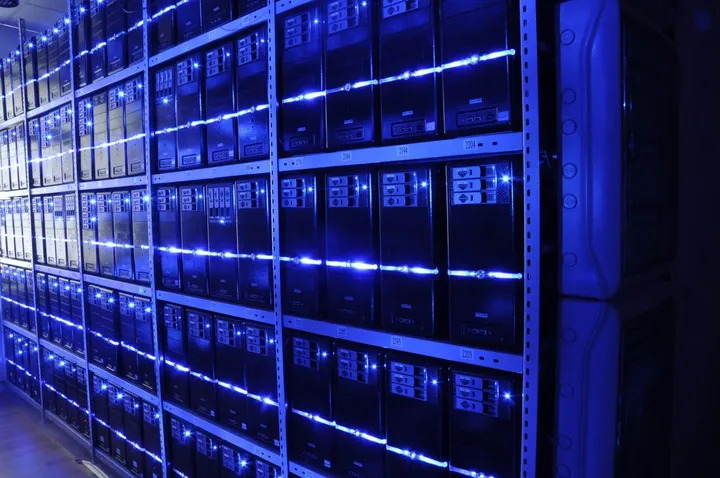
AI & Data Science Lab
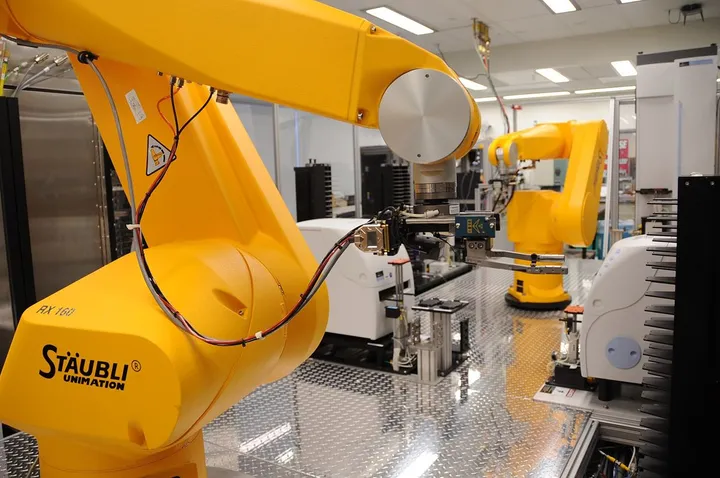
Robotics & Automation Lab
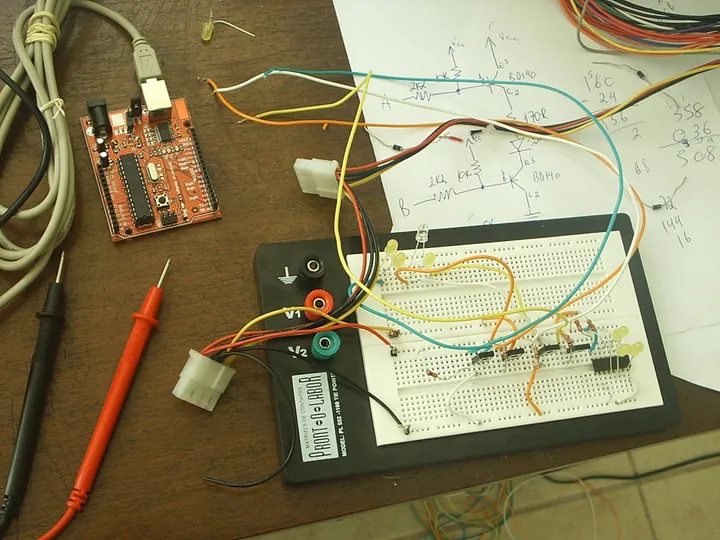
IoT & Embedded Systems Lab
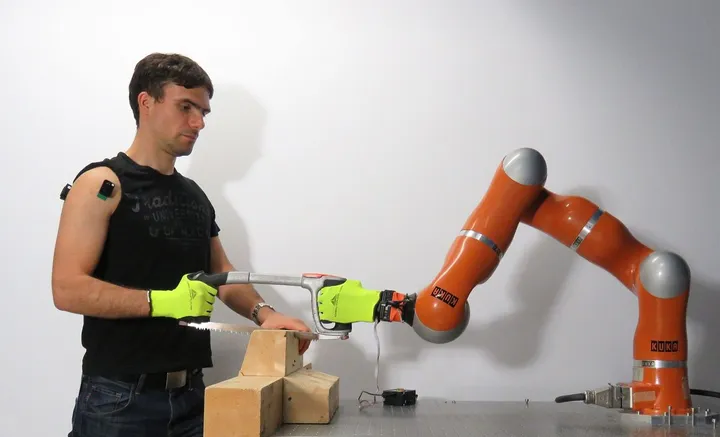
Industry 5.0 Lab
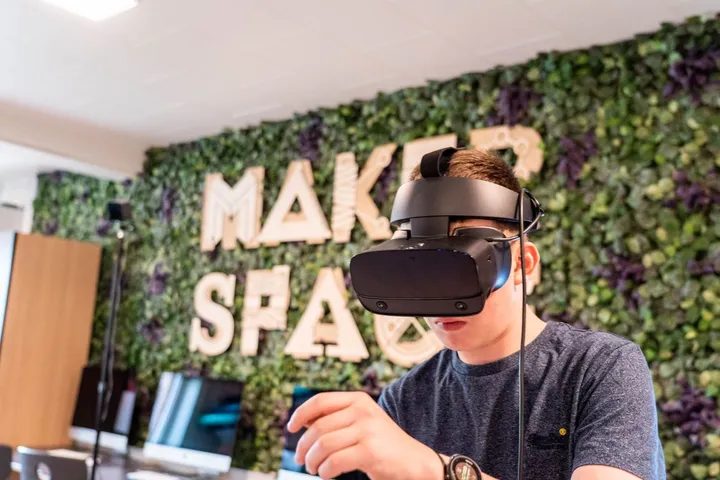
Emerging Technology Centre of Excellence

Faculty Development

Engineering faculty can participate in specialized FDPs covering emerging technologies and application-oriented teaching.

Programs can be customized according to the department, faculty expertise and institutional objectives.

Possible FDP Areas:

Why Engineering Institutions Choose Robomatiic

  • Practical Technology Exposure
  • Industry-Oriented Skills
  • Hands-on Engineering
  • Real Projects
  • Emerging Technology Focus
  • Flexible Institutional Models
  • Interdisciplinary Innovation

From Engineering Knowledge to Engineering Capability

Engineering education provides the foundation. Practical experience transforms that foundation into capability.

Robomatiic helps engineering institutions create opportunities for students to learn technologies, work with tools, build systems, solve engineering problems and develop solutions for real-world applications.

Learn. Design. Build. Test. Innovate.

Partner Colleges.

Sathyabama Institute of Science & TechnologyKalasalingam UniversityKumaraguru College of TechnologySri Krishna Institutions, CoimbatoreDr. N.G.P. Institute of TechnologySNS InstitutionsSri Eshwar College of EngineeringHindusthan Educational & Charitable TrustNational Engineering CollegeRamco Institute of TechnologyKathir College of EngineeringKGiSL Institute of TechnologySt. Peter's Institute of Higher Education & ResearchINFO Institute of EngineeringErode Sengunthar Engineering CollegeSankara Educational InstitutionsSri Venkateshwaraa College of Engineering & TechnologyNehru Group of InstitutionsV.S.B. Engineering CollegeKumarasamy College of Engineering, KarurSACS MAVMM Engineering College, MaduraiSathyabama Institute of Science & TechnologySSM InstitutionsDAIT — Cultivating TechnologyEngineering college partnerCMS College of Science and CommercePSG College of Arts and ScienceKovai Kalaimagal College of Arts and ScienceDR.R.V Arts and Science CollegeVET Institute of Arts and Science

Ready to bring Engineering programs to your campus?

Tell us what you need and we'll get back within a day.